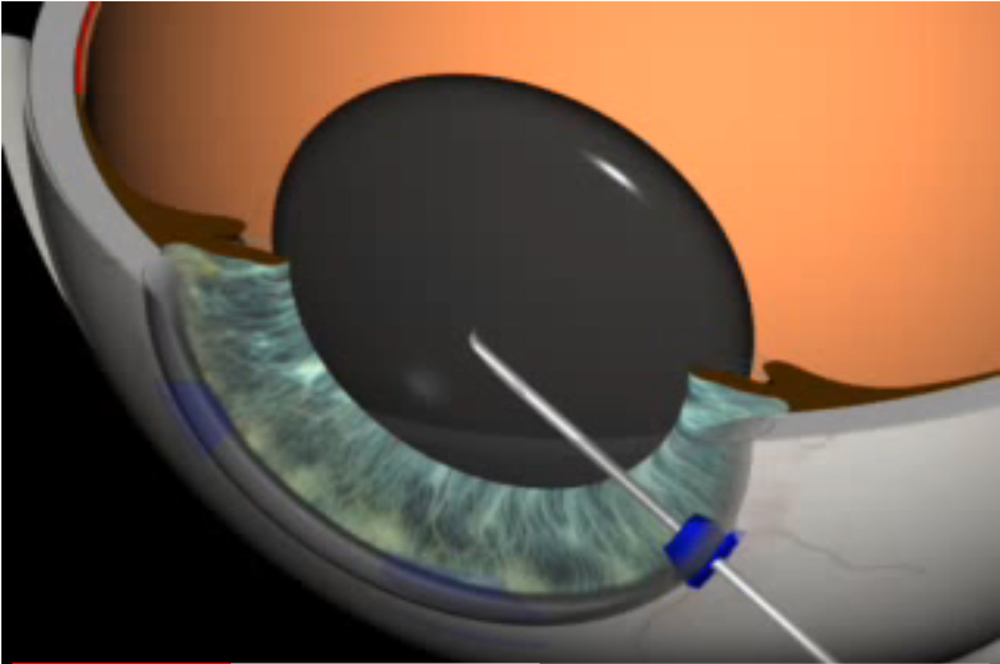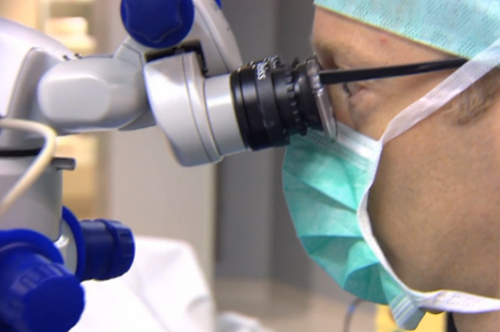
Cataract can only be treated by cataract surgery. Cataract surgery is Prof. Findl’s speciality. He performs cataract surgery in Vienna as a day-case procedure at the Evangelisches Krankenhaus and Hanusch Hospital.
Diseases
Cataract
Multifocal and EDOF intraocular lenses
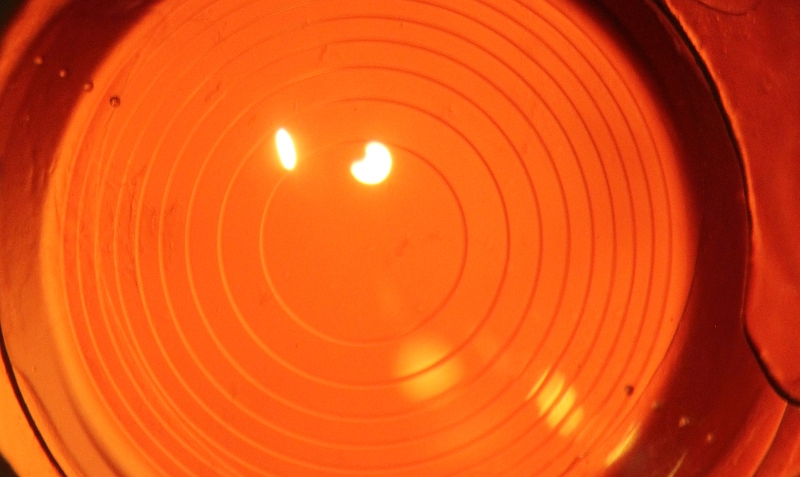
In some cases, the desire to be less dependent on glasses is very strong. Under certain conditions, the use of modern presbyopia-correcting intraocular lenses — multifocal or EDOF lenses (Enhanced Depth of Focus) — may be considered. This allows good vision at multiple distances without glasses.
Depending on the lens type, side effects differ: classic multifocal lenses may cause increased glare, reduced contrast and halos at night, whereas EDOF lenses usually show fewer optical side effects but may more often require reading glasses. Individual advantages and disadvantages are discussed in detail during consultation.
Prof. Findl uses intraocular lenses from various manufacturers, is the author of international publications on this topic and regularly lectures on it at ESCRS, the European Congress of Cataract and Refractive Surgery.
Further information on EDOF intraocular lenses can be found on the corresponding subpage.
More
What is a cataract?
A cataract is a progressive clouding of the eye’s originally clear lens. Patients suffering from cataract ususally describe the condition as being similar to looking through a mist, with gradual blurring or dimming of vision over time. Also, you may be troubled by bothersome glare.
What causes cataract?
There are different causes for cataract. The most common cause is age related and is due the altered metabolism of the lens. This form of cataract is called age-related cataract. Most commonly, it occurs after the age of 60. In that case, it is not considered to be a disease and therefore is not dangerous.
What does cataract mean?
Because of the similarity of a cataract in the eye to falling water, which also appears white and non transparent to the observer, the word cataract is derived from the greek word ‘katarakt’, meaning waterfall.
What are the symptoms of cataract?
The most common symptoms are blurred vision, glare, increased sensitivity to light, fading colours – everything looks “grey in grey”, or increasing shortsightedness – “I used to be farsighted, now I am shortsighted and I can read without glasses”. If elderly patients require frequent changes in spectacle prescription, a beginning cataract may be the reason.
How is cataract treated?
Currently, cataract surgery is the only way to treat cataract. The procedure is pain free, bares a low risk of complications and results in a considerable improvement in visual function.